|
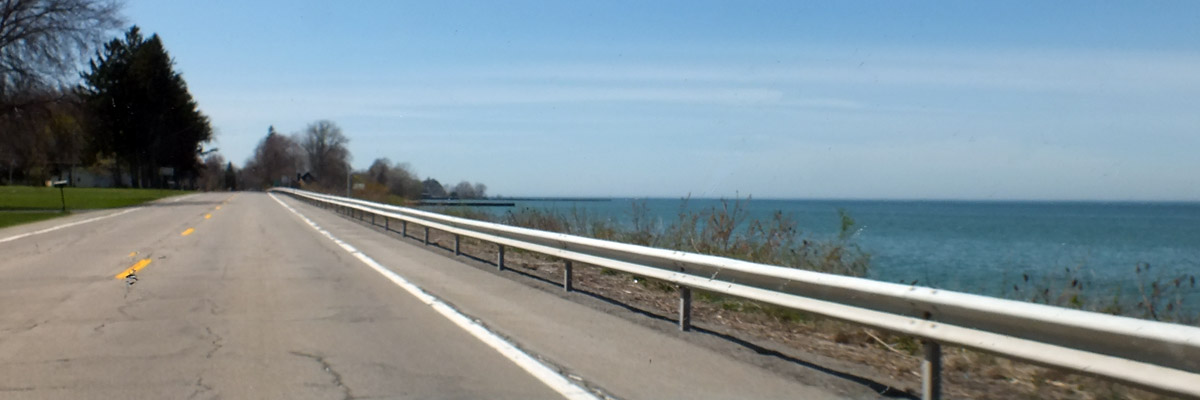
Monday 28 April 2025--Grab a bagel and coffee at a local café this morning, then drive west on route 104, which parallels the shoreline of Lake Ontario. It's a bucolic landscape, dotted with quiet villages, until I reach Rochester. It doesn't take very long to pass through the urbanized area. On the other side, I pick up the Lake Ontario State Parkway, which runs 35 miles along the lakeshore. Built during the post-WWII auto boom, it was meant to reach another 40 miles west to link up with the Robert Moses State Parkway in the Niagara region; but it is little used, closed in winter, and suffering a bit from neglect. In late April, the number of cars I see along its entire length can be counted on one hand, with a finger or two to spare. Route 18, like route 104 quiet and fast enough, takes me the rest of the way to Fort Niagara.
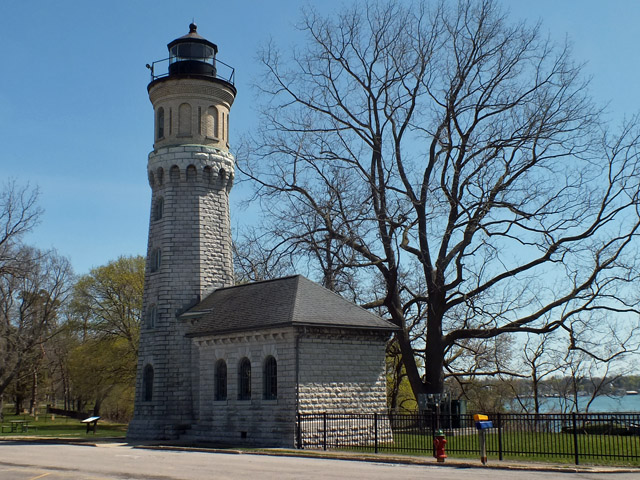
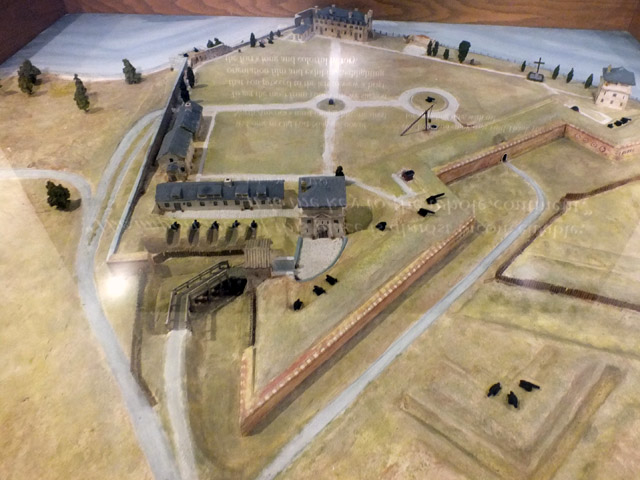
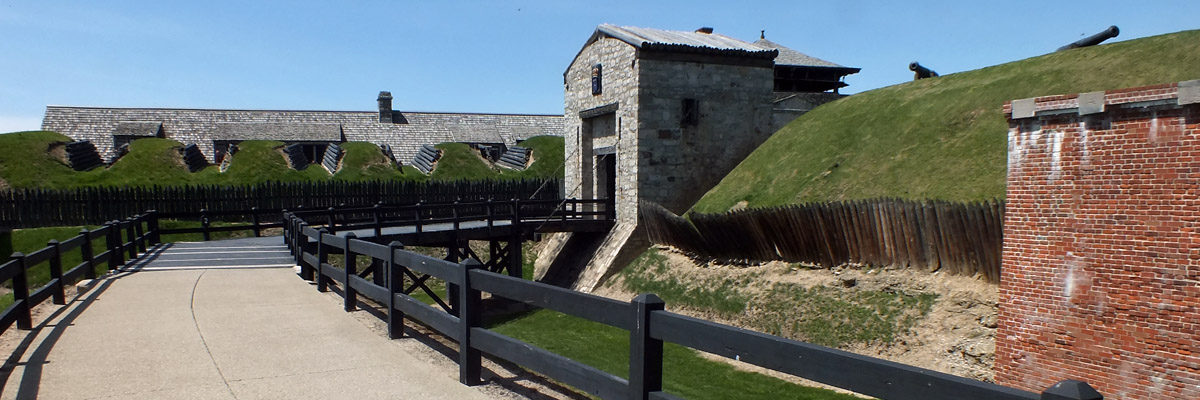
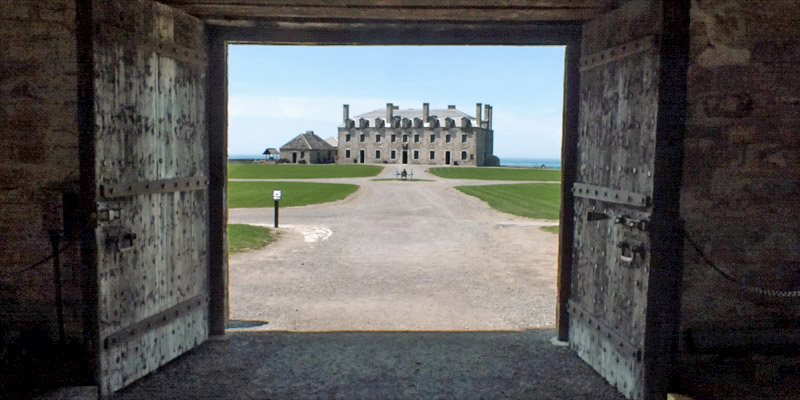
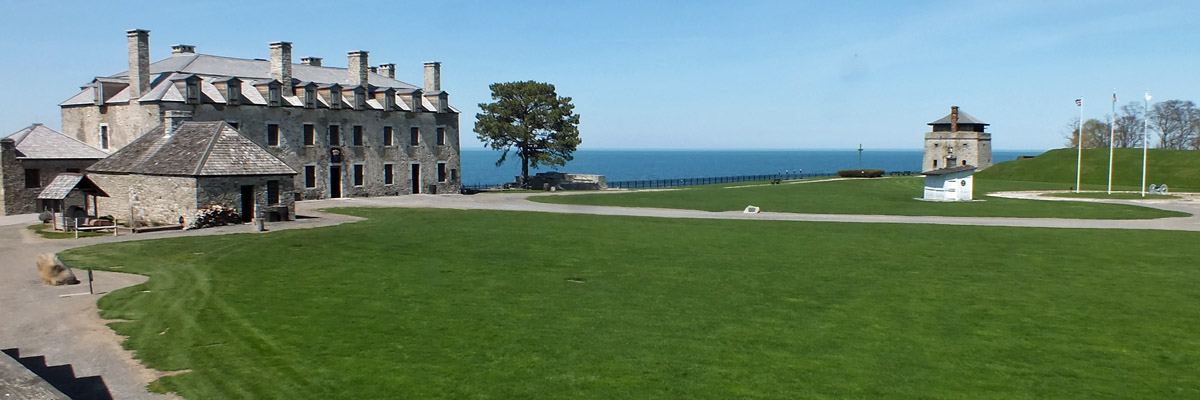
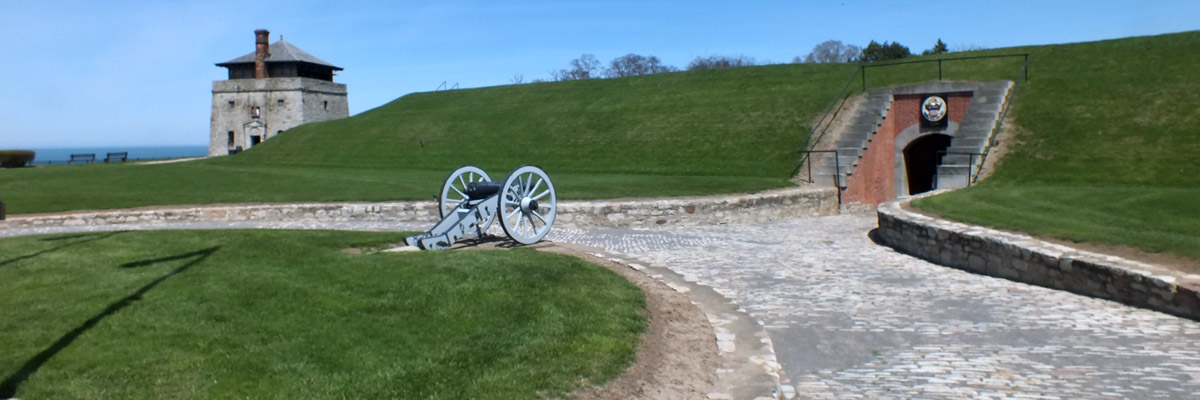
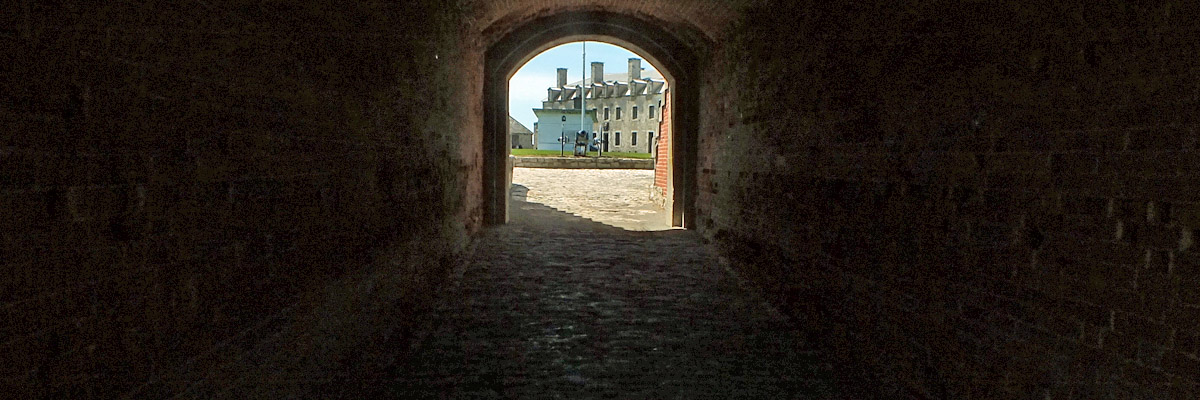
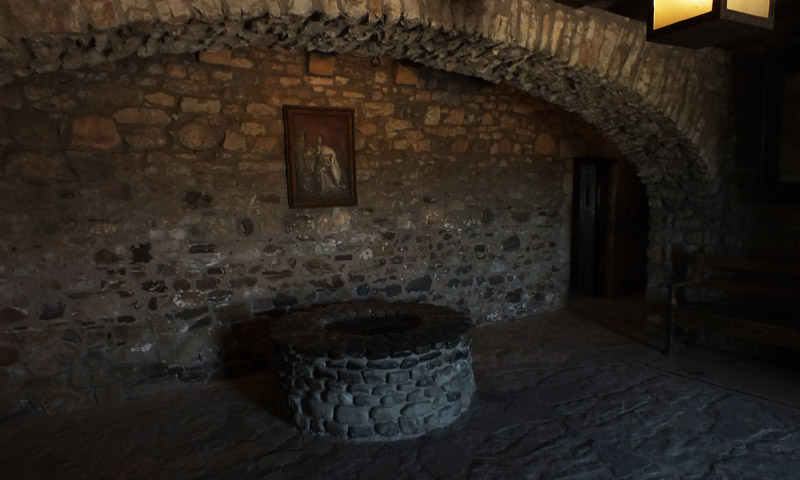
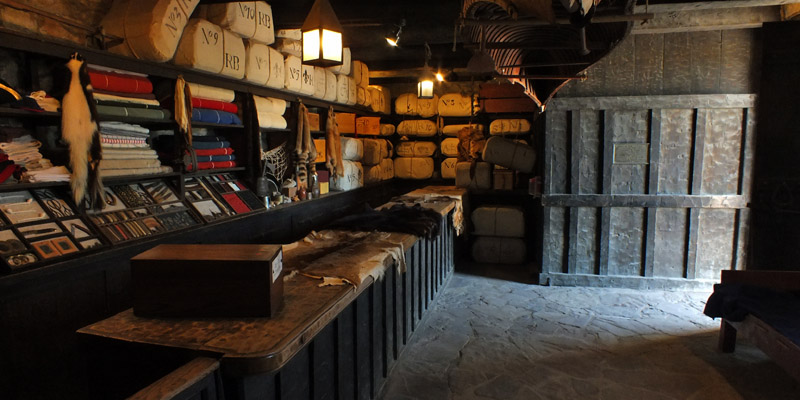
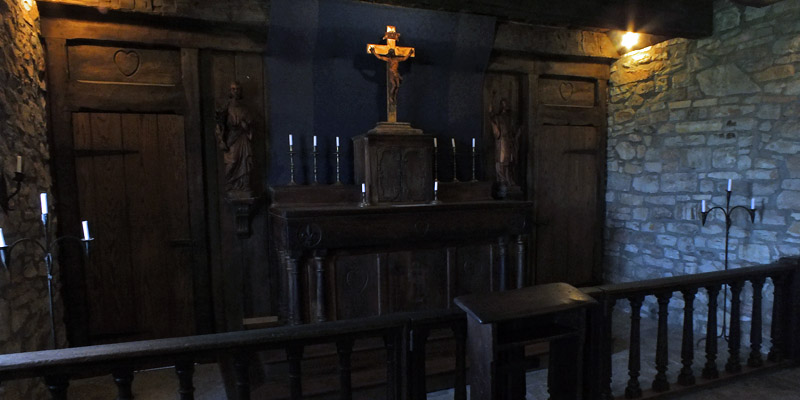
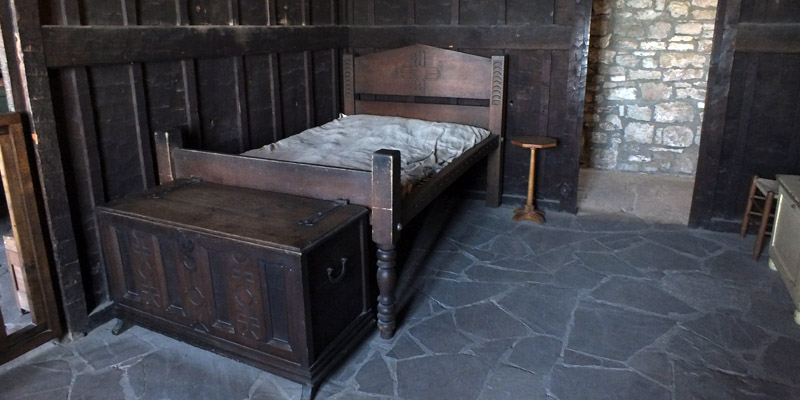
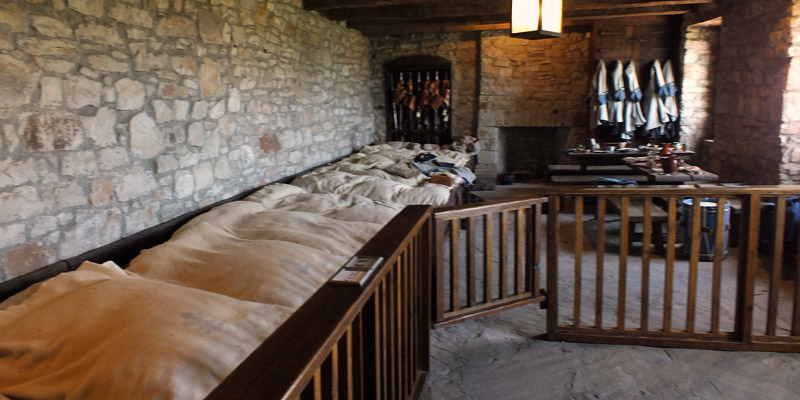
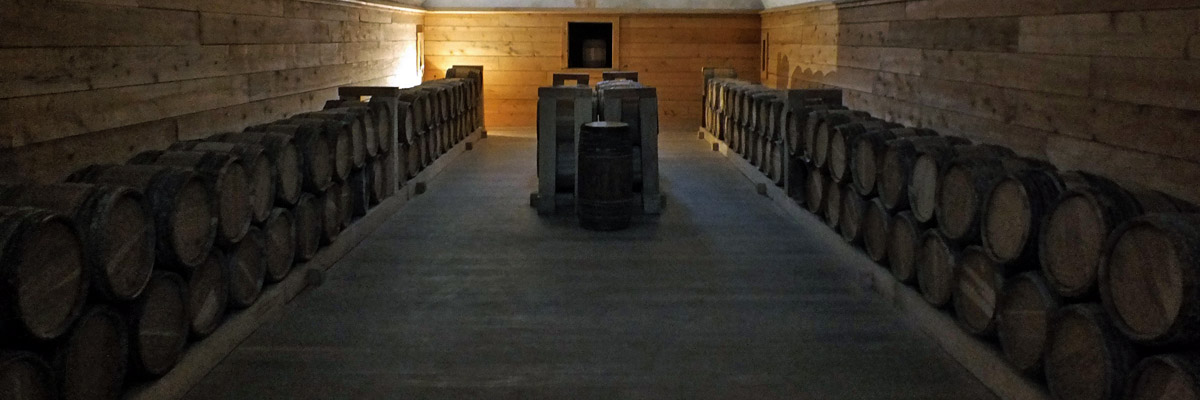
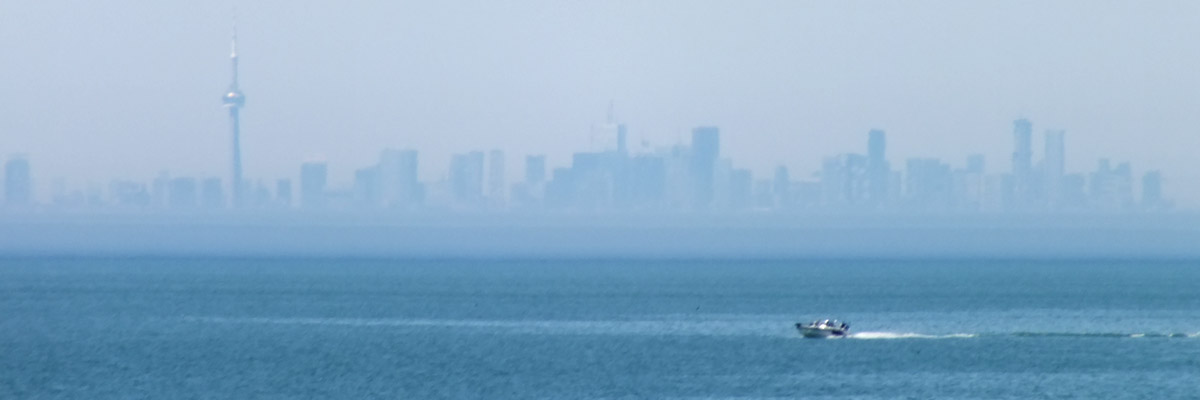
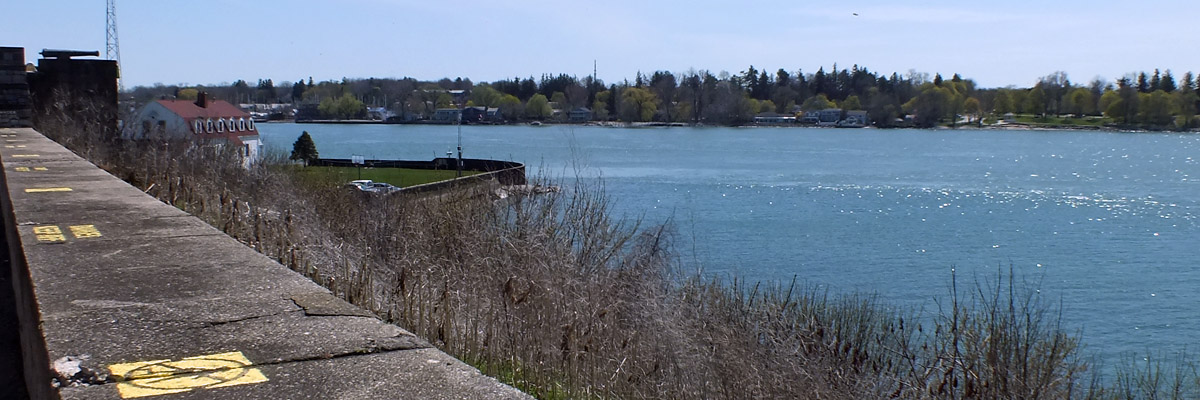
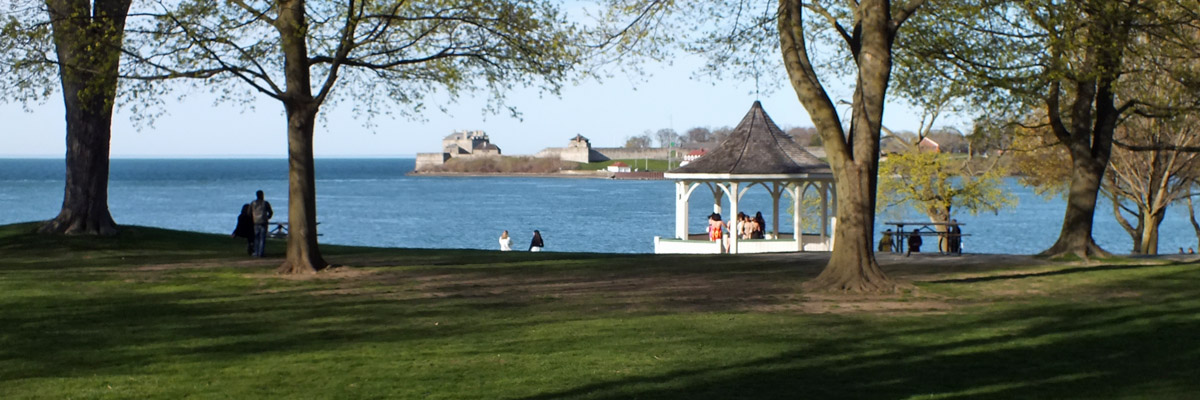
The French built a fort overlooking the mouth of the Niagara River in 1678. They abandoned the site in 1688; but in 1720, they negotiated with the local Seneca for the right to reestablish a presence, taking care to shade it as a residence and trading post, rather than a military facility. They called the post they built la Maison de la Paix (the House of Peace), and followed it a few years later with a more elaborate stone building that stands to this day, now known as the French Castle. Further fortification went up in the years before the French and Indian Wars, but the British captured the fort in 1759, and held it all the way through the Revolution. According to Wikipedia, "Niagara became notorious for drinking, brawling, whoring, and cheating. Crude taverns, stores, and bordellos sprouted on 'the Bottom', the riverside flat below the fort." Sadly, these are long gone, the Bottom now taken up with a Coast Guard base. The Brits handed the fort over to the Americans after the ratification of the Jay Treaty, in 1796, but recaptured it briefly during the War of 1812. Fort Niagara served a variety of purposes up until its deactivation in 1963. A tour of the grounds and buildings today shows evidence from all three regimes. From the ramparts, the skyline of Toronto, thirty miles distant across the lake, is visible on any reasonably clear day. Across the river, I can see Queen's Royal Park in Niagara-on-the-Lake, Ontario. The Old Bank House, my lodgings for the next three nights, is just above the park, not quite a half a mile from where I stand. It'll be a 45-minute drive, via the Lewiston-Queenston Bridge, ten miles upstream.
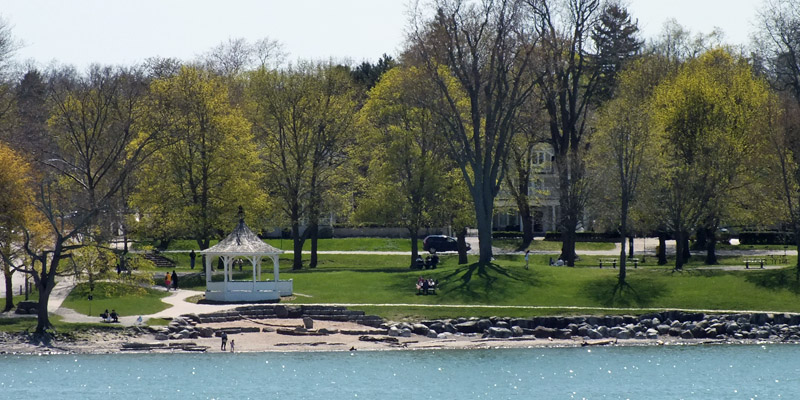
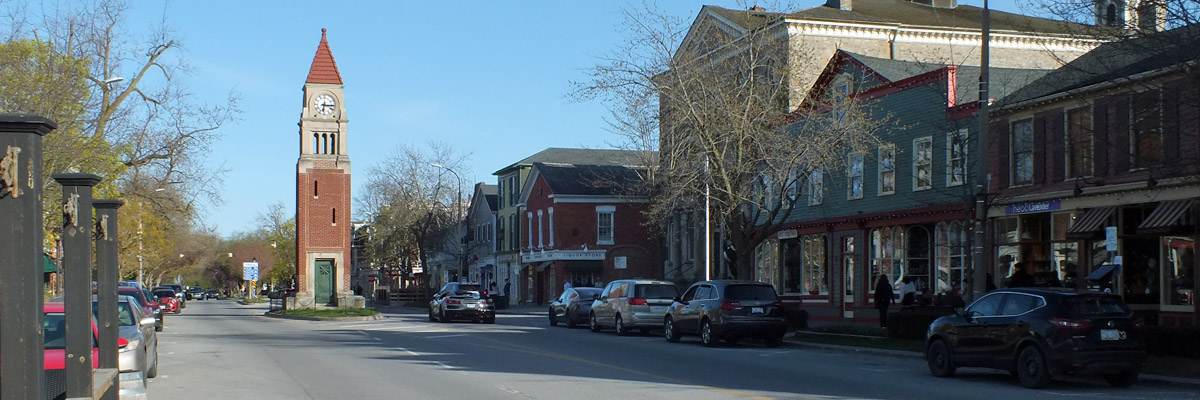
I fuel up the car, cross the bridge and the border, and head down the Niagara Parkway. For some reason, the car's GPS thinks the Old Bank House is in the village of Queenston, nestled below the Niagara Escarpment. Fortunately, I know better. Check in late in the afternoon, and step across the street into the park for a few photos back toward Fort Niagara.
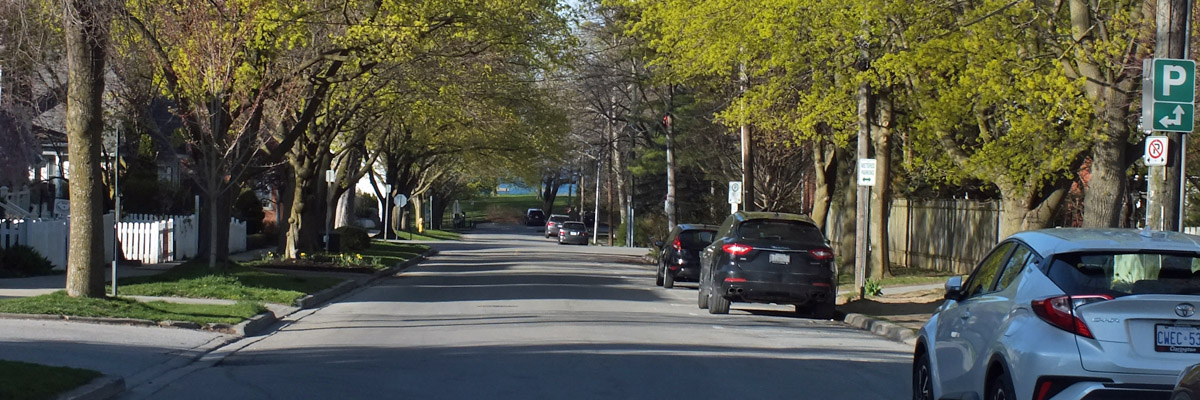
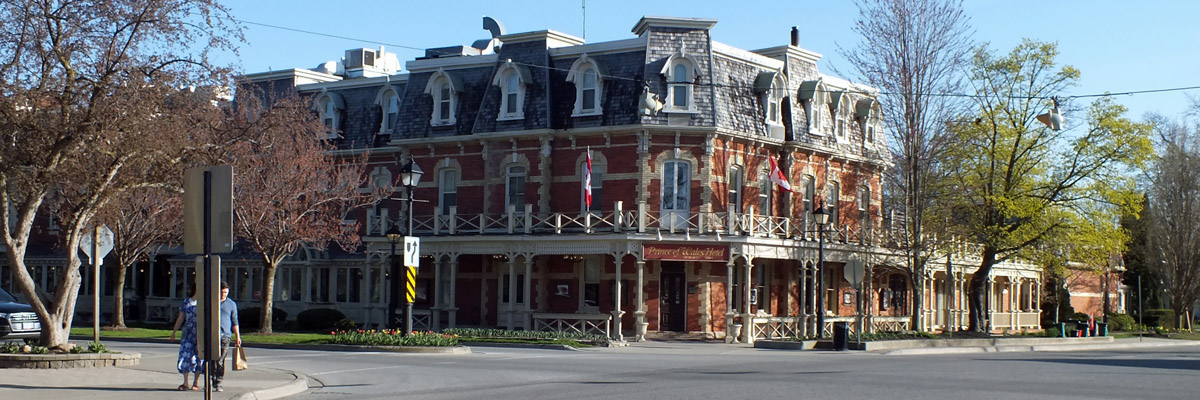
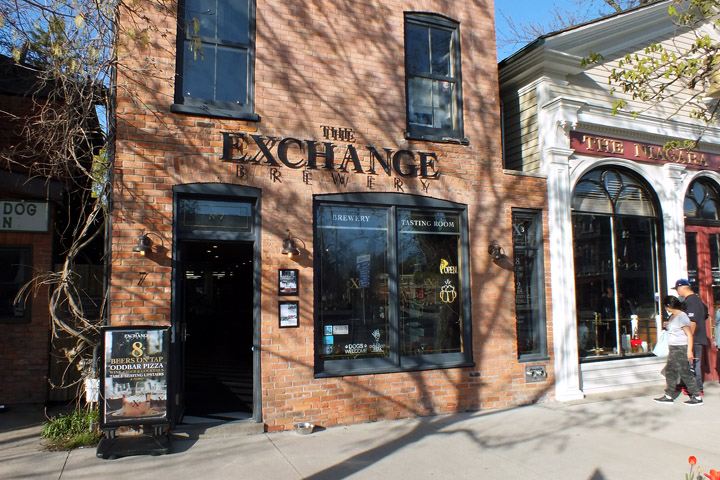
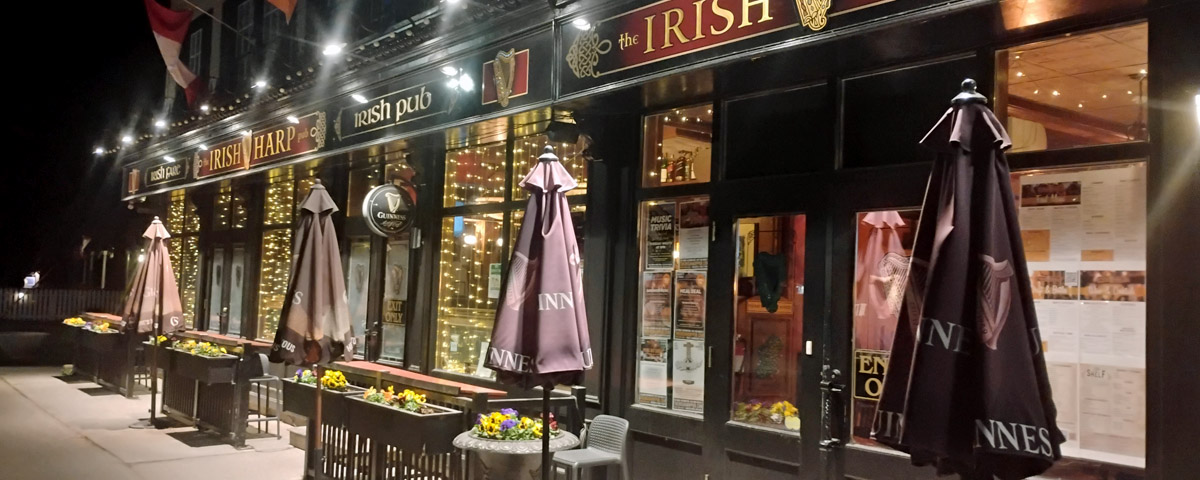
Stroll into town along King Street and pop into the Exchange Brewery for a pint. I have dinner at the Irish Harp. Faux-Irish pubs are usually a last resort for me, but I like this one. The barmaid, Miriam, is decades younger than I am, but she's not a kid...it's a pleasure to chat with an adult. Today is election day in Canada, and I try to gauge the mood without starting any arguments. The Liberals have been in power for ten years, with Justin Trudeau as Prime Minister. That's generally the outside shelf life for any government, and indeed everyone is fed up with Trudeau, with polls late last year indicating that a Conservative landslide was imminent. The resurrection of Trump, however, has thrown a spanner in the works. Of particular concern are his thoughtless application of tariffs and his suggestion that Canada should be annexed to the United States. The Conservative leader, Pierre Poilievre, has tried without much success to disavow his previous flirtation with Trump. Trudeau resigned in March, replaced by Mark Carney, a careful technocrat who had served, at different times, as head of the Bank of Canada and the Bank of England. Canadians have of late adopted the slogan "Elbows up!", borrowed from ice hockey, to indicate their readiness to defend themselves from American aggression, something they have not had to consider seriously since the War of 1812. Carney's own hockey background doesn't hurt his cause--he was third-string goalie at Harvard in his uni days--and the Liberals are poised for a surprising but solid comeback victory. I nonetheless get the impression that Niagara-on-the-Lake is a fairly conservative place.
Next |