
Niagara River Range Rear Light, Niagara-on-the-Lake ON

30 April 2025
The North Atlantic Arc Home
| April | /May.......................................... |
| S | M | T | W | T | F | S |
| 27 | 28 | 29 | 30 | 1 | 2 | 3 |
| 4 | 5 | 6 | 7 | 8 | 9 | 10 |
| 11 | 12 | 13 | 14 | 15 | 16 | 17 |
| 18 | 19 | 20 | 21 | 22 | 23 | 24 |
| 25 |
 |
|
Wednesday 30 April 2025--Under Construction |
Around Niagara-on-the-Lake
 |
Toronto
 |
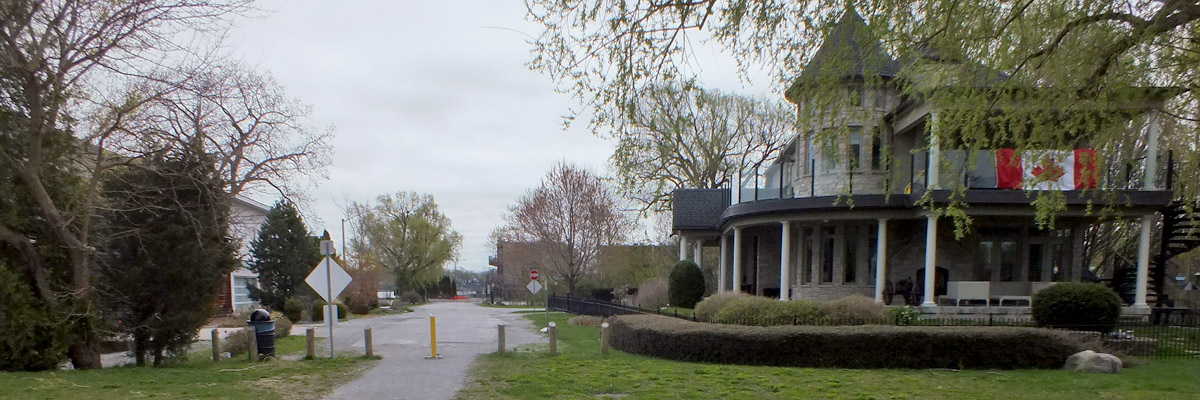
Rail Track
 |
Storm Damage
 |
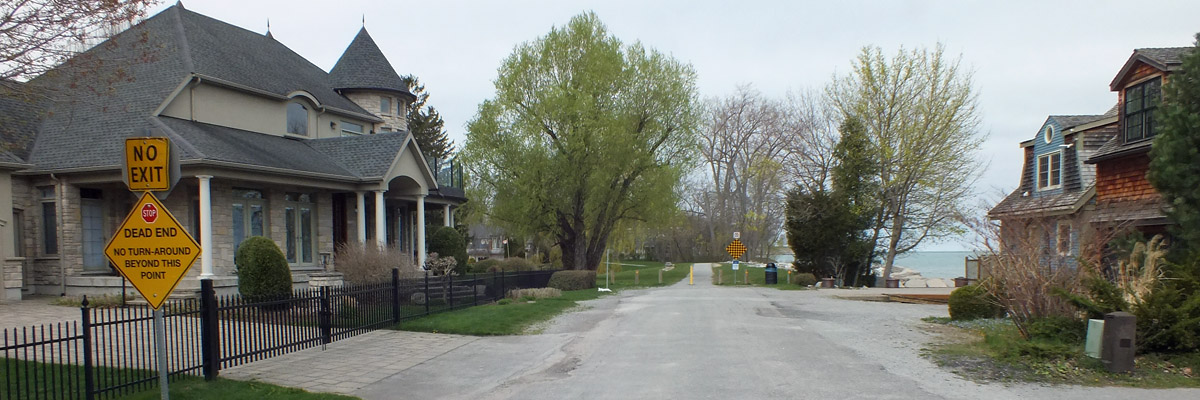
River Beach Drive
 |
River Beach Drive
 |
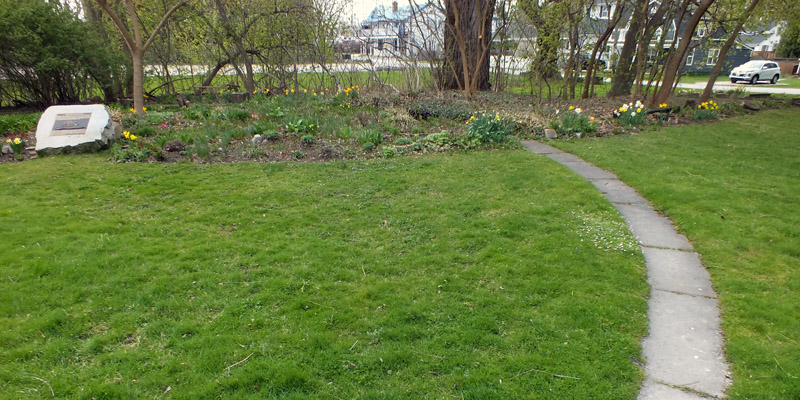 |
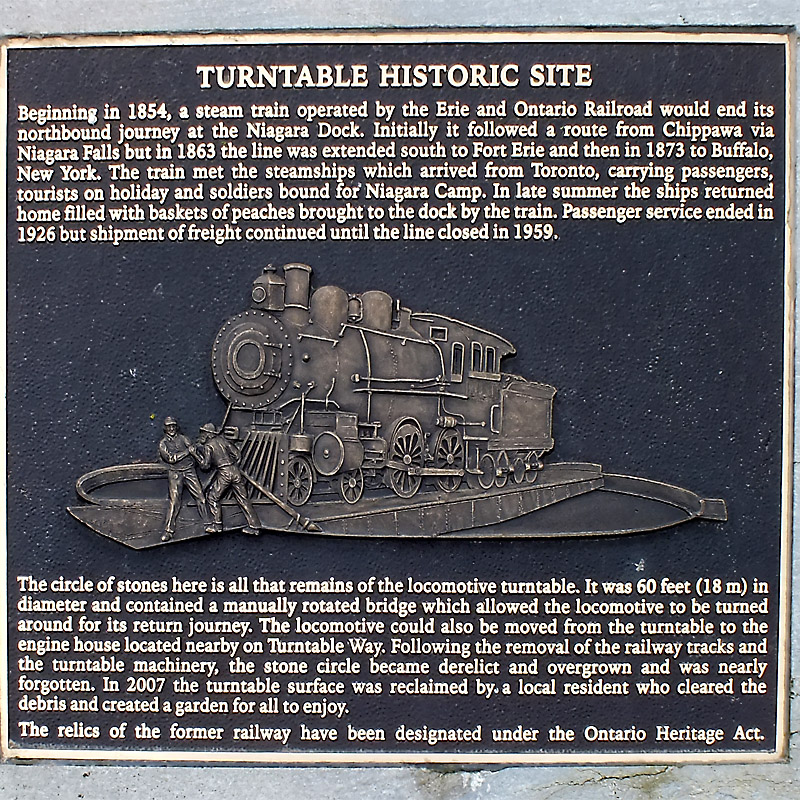
Turntable
Open sign in new tab to see larger
 |
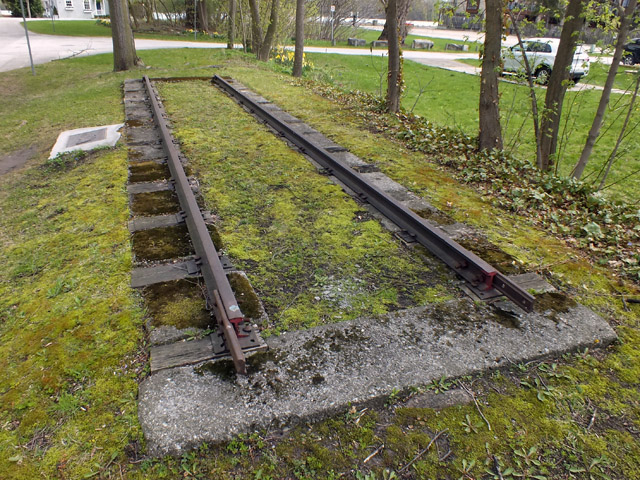 |
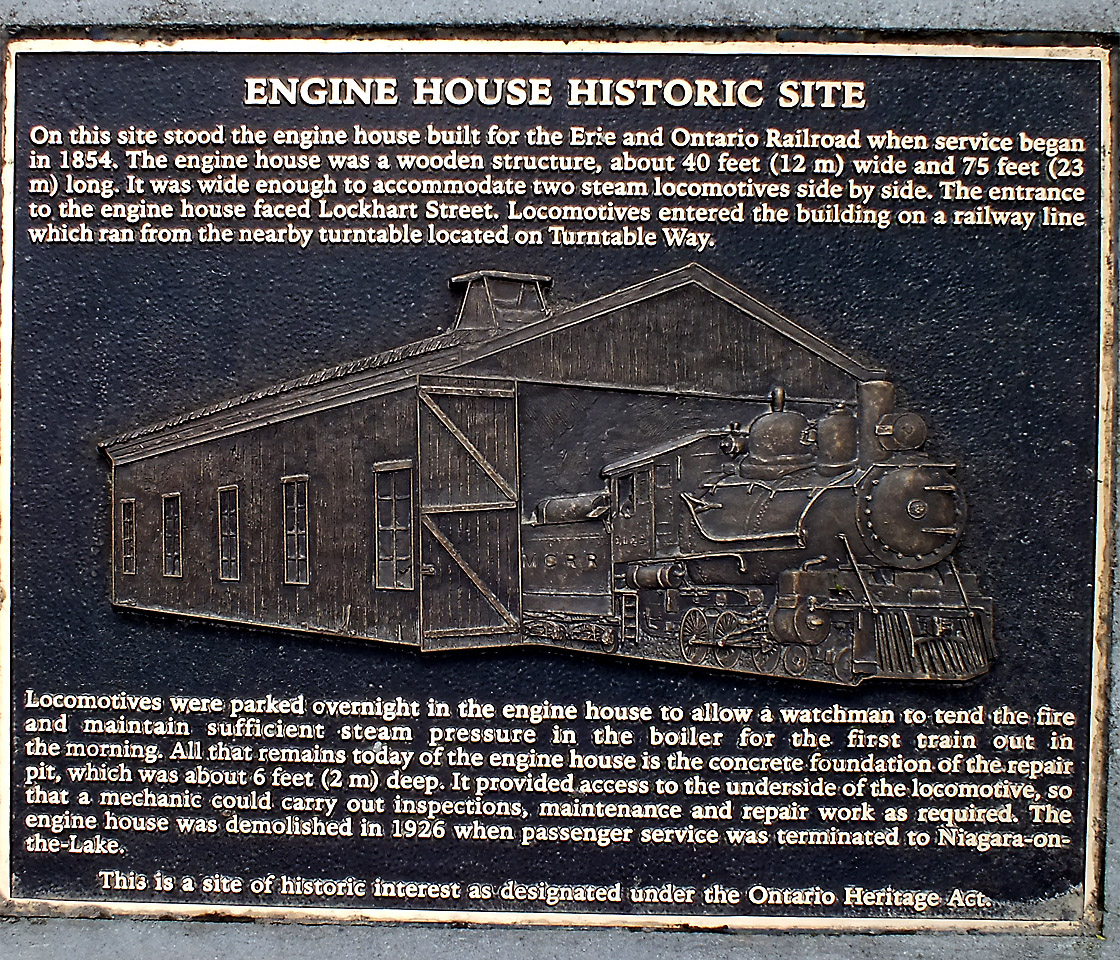
Engine House
Open sign in new tab to see larger
 |
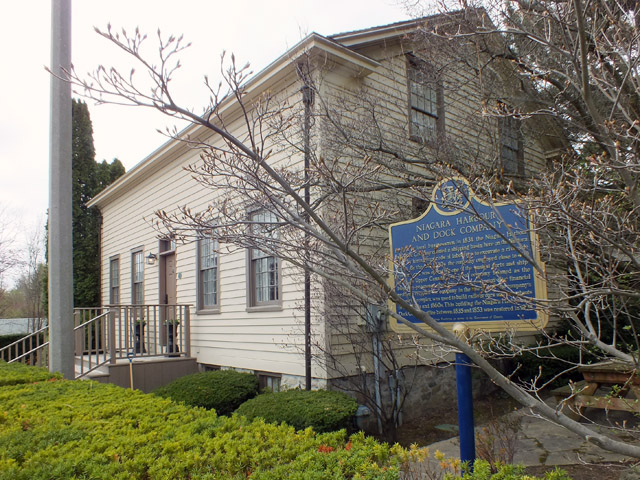 |
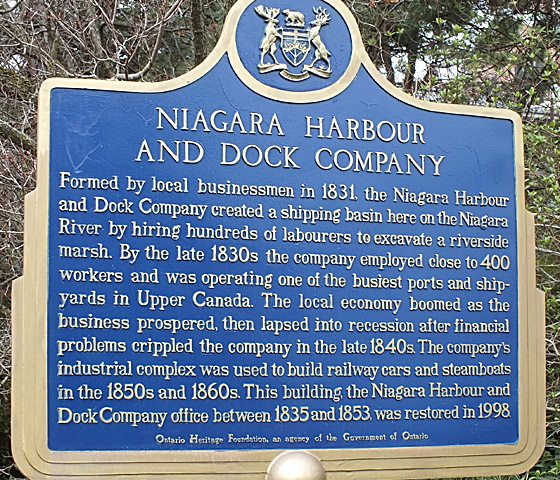
Niagara Harbour and Dock Company
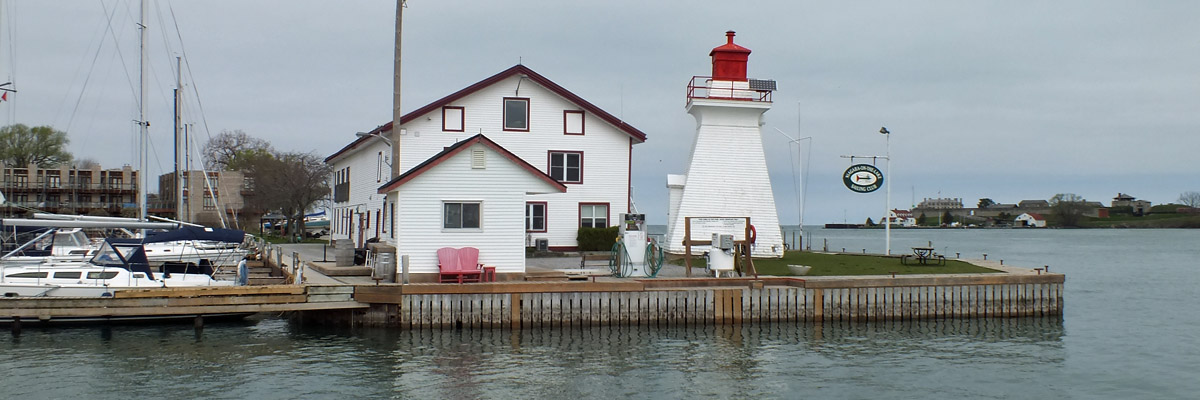 |
Niagara River Range Front Light
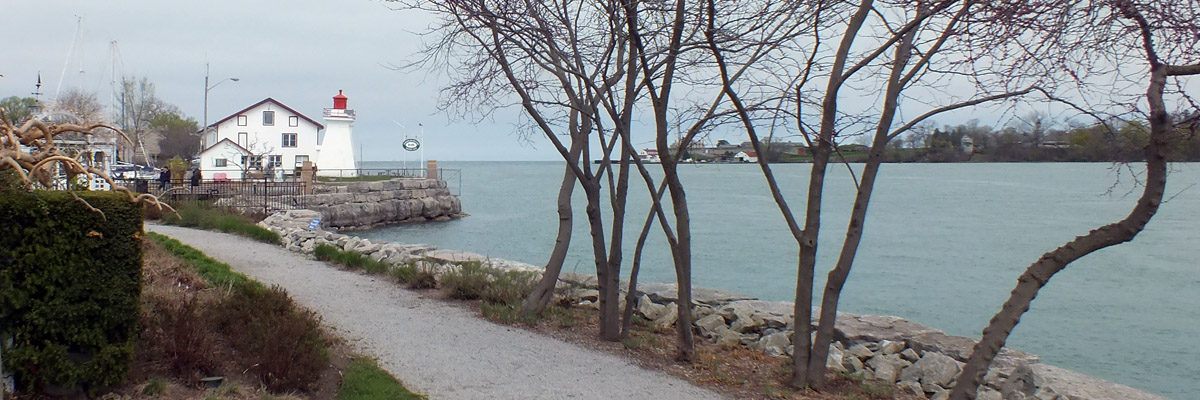 |
Niagara River
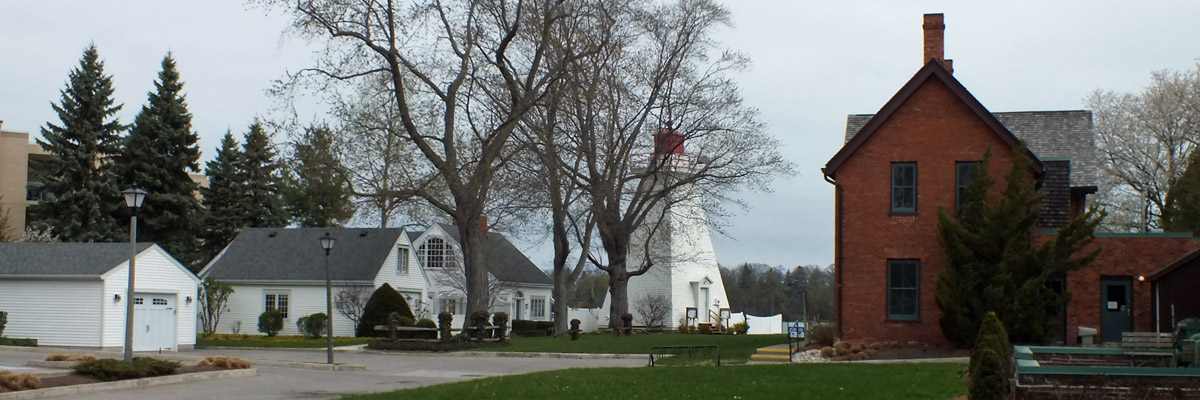 |
Niagara River Range Rear Light
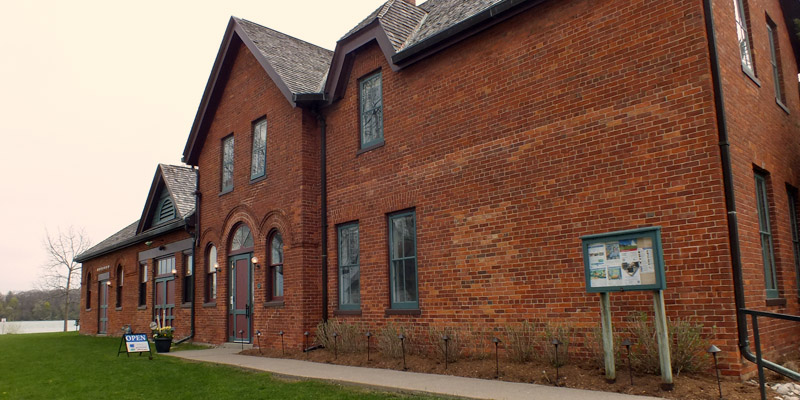 |
Niagara Pumphouse Arts Centre
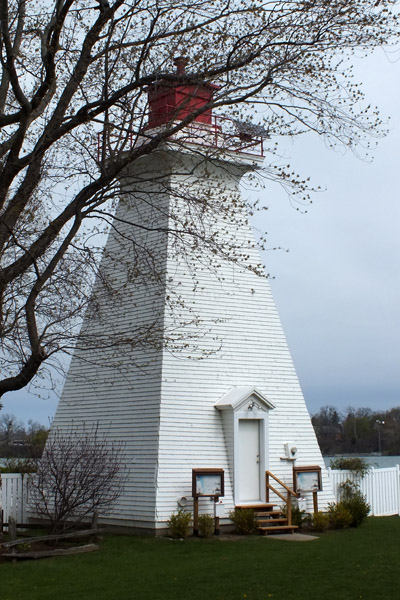 |
Niagara River Range Rear Light
 |
Fort George
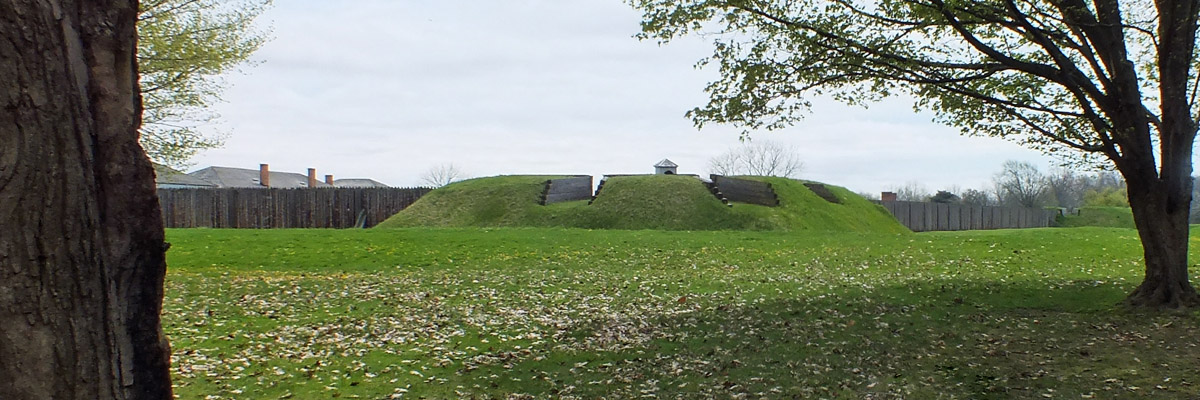 |
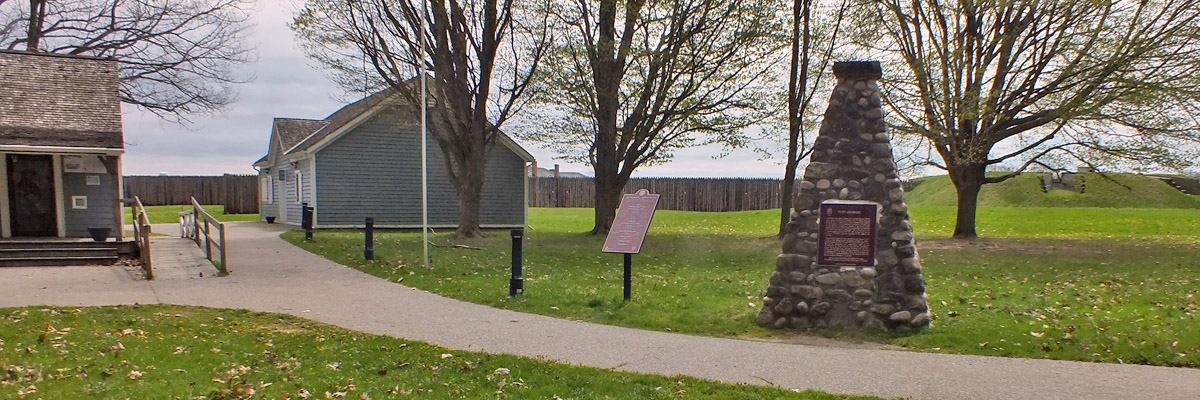
Fort George
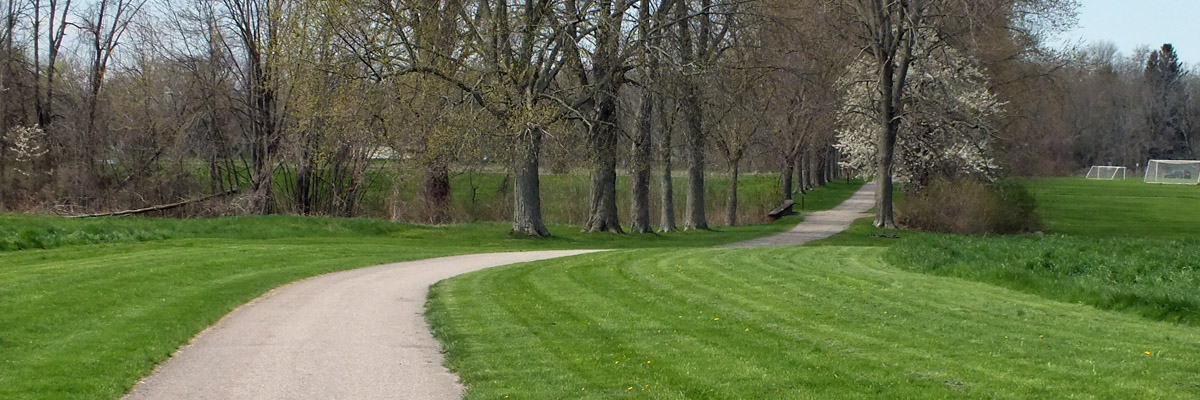 |
Trail
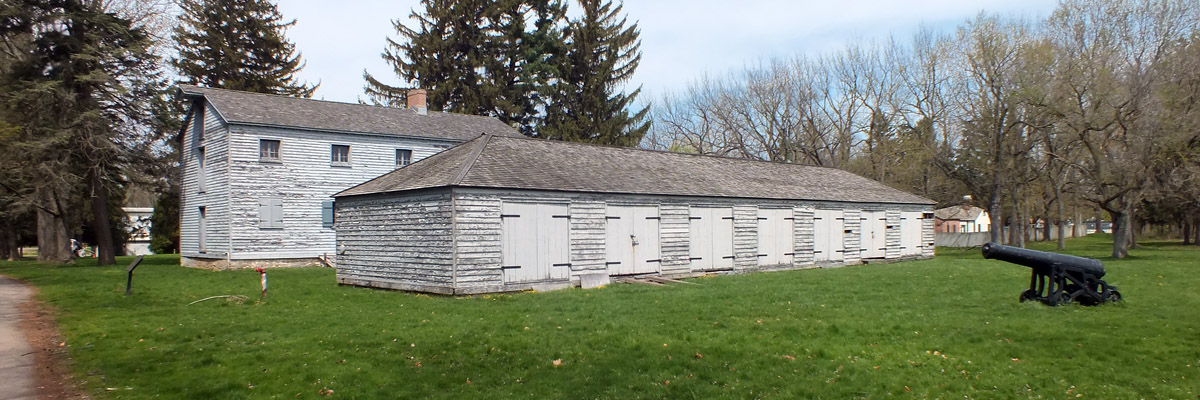 |
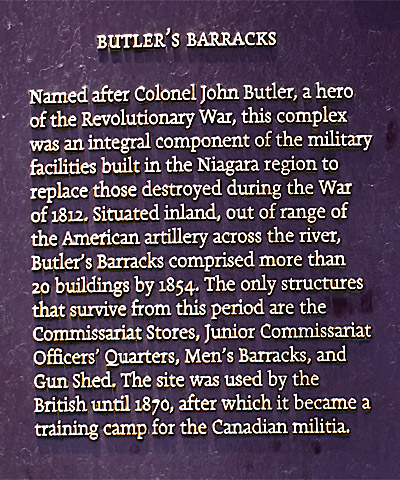
Butler's Barracks
 |
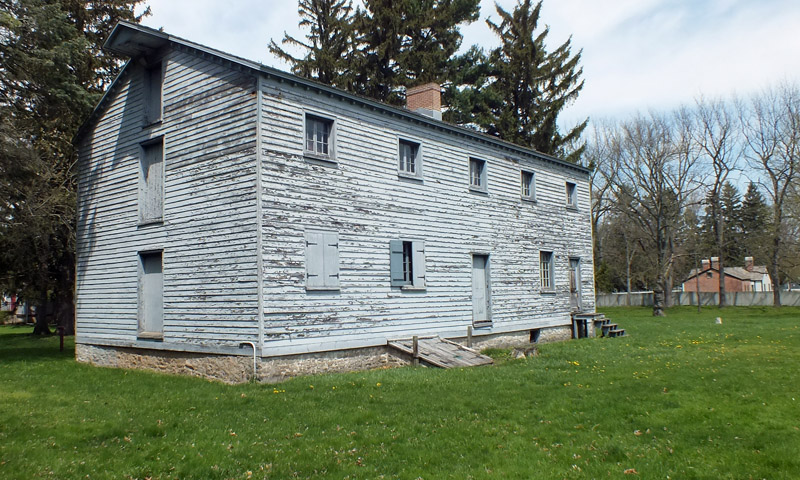 |
Butler's Barracks
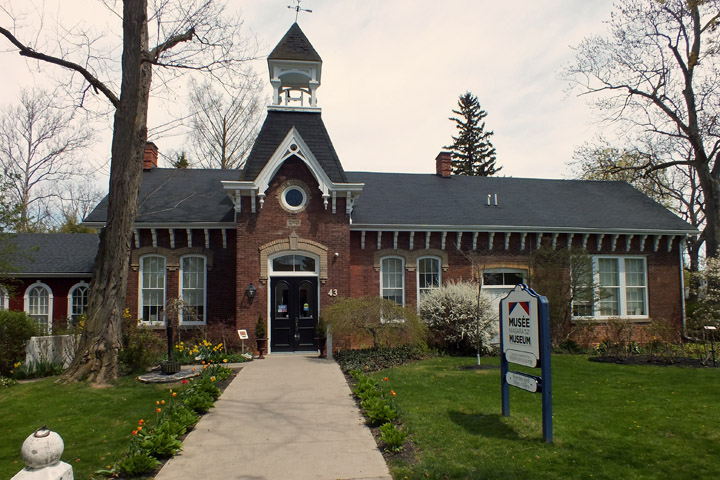 |
Niagara-on-the-Lake Museum
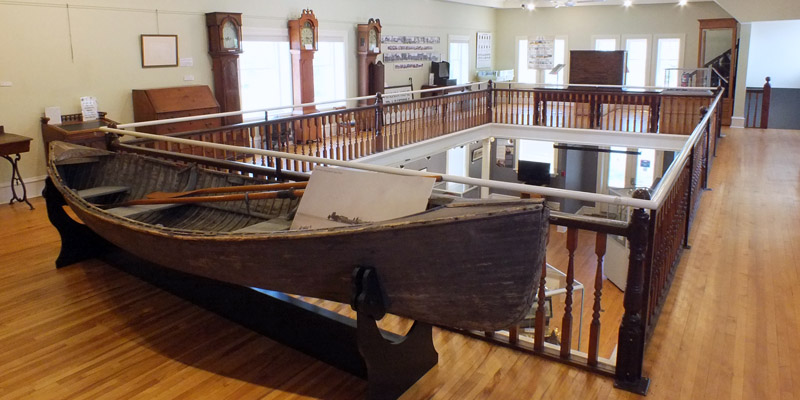 |
Niagara-on-the-Lake Museum
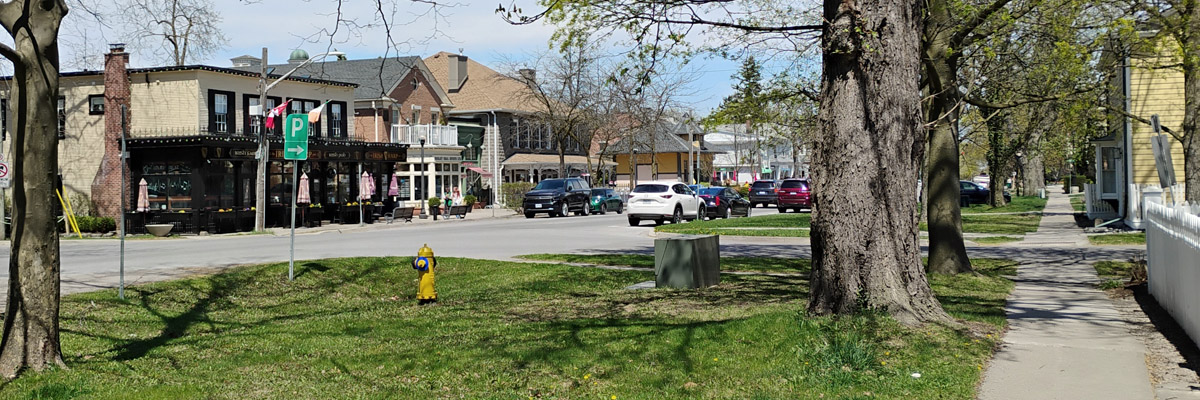 |
King Street
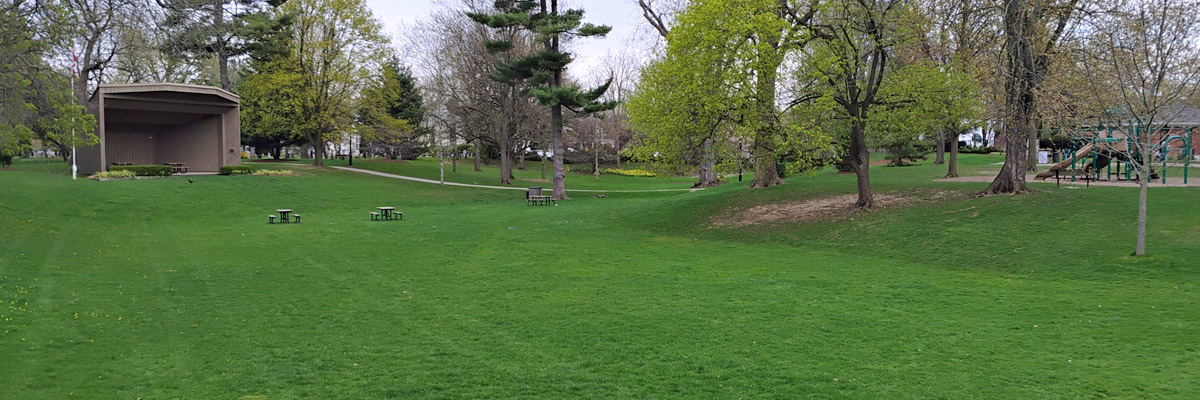 |
Simcoe Park
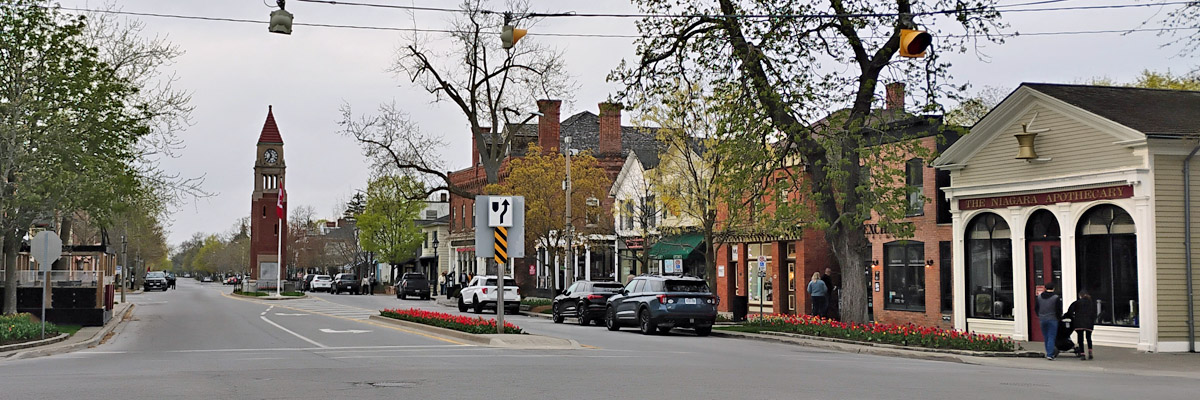 |
Queen Street
Next
| April | /May.......................................... |
| S | M | T | W | T | F | S |
| 27 | 28 | 29 | 30 | 1 | 2 | 3 |
| 4 | 5 | 6 | 7 | 8 | 9 | 10 |
| 11 | 12 | 13 | 14 | 15 | 16 | 17 |
| 18 | 19 | 20 | 21 | 22 | 23 | 24 |
| 25 |
The North Atlantic Arc Home
Mr Tattie Heid's Mileage
Results may vary
MrTattieHeid1954@gmail.com