| April | /May.......................................... |
| S | M | T | W | T | F | S |
| 27 | 28 | 29 | 30 | 1 | 2 | 3 |
| 4 | 5 | 6 | 7 | 8 | 9 | 10 |
| 11 | 12 | 13 | 14 | 15 | 16 | 17 |
| 18 | 19 | 20 | 21 | 22 | 23 | 24 |
| 25 |
|
Itinerary
27 April Oswego NY 28-30 April Niagara-on-the-Lake ON 1 May Erieau ON 2-4 May Pelee Island ON 5 May Kingsville ON 6 May Charlevoix MI 7-9 May Beaver Island MI 10-12 May Mackinac Island MI 13-14 May Grand Marais MI 15-16 May St Joseph Island ON 17-18 May Little Current ON 19-20 May Tobermory ON 21 May Meaford ON 22 May Orillia ON 23-24 May Wolfe Island ON |

![]() |
|
How many Gordons perished in the butcheries and the burnings that followed the defeat of the clans at Culloden will never be known: it is the victor who writes the history and counts the dead. --Sir William Francis Butler, biography of Charles George Gordon, 1889 Is it so that history is written by the victors? There are some who take issue with the adage (often attributed, spuriously, to Winston Churchill). They seem to think of it as a smug self-justification, a sort of nose-thumbing at those who fall on the wrong side of events. Yet, tracing the evolution of the idea, one finds that most of its iterations were observations made by parties with at least some sympathy for history's losers, in acknowledgment that the story is incomplete. "L'histoire est juste peut-être, mais qu'on ne l'oublie pas, elle a été écrite par les vainqueurs," wrote Alexis Guignard de Saint-Priest in his Histoire de la royauté in 1842: "The history is perhaps correct, but let us not forget that it was written by the vanquishers." What's indisputable is that history is written by those who are willing and able to write. No one knows for certain, for example, when Basque fishers started exploiting the waters of the Gulf of St Lawrence, because they weren't interested in telling the world about their favorite fishing holes. Their presence is noted in the journals of some of the well-known European explorers, many of whom were sponsored by colonial powers who were keen to stake their claims publicly. History students might learn that Jacques Cartier "discovered" the St Lawrence River in 1535. The naked Eurocentrism of such a statement speaks for itself; the land had been inhabited for thousands of years. Native voices, silent in the histories of the "victors", were not helped by the fact that the indigenous peoples of North America had no written language, and left no accounts of their own. Oral histories were easier to ignore, dismiss, or even expunge. Domestic issues kept France from following up Cartier's expedition until 1608, when Samuel de Champlain sailed up the St Lawrence to establish the settlement that became Quebec City. Champlain wrote extensively about his subsequent explorations, and left a great legacy as a cartographer, as well. He's credited with mapping the Great Lakes, but he was not the first European to see them. That distinction most likely belongs to Étienne Brûlé, a figure less well-known than Champlain and Cartier at least partly because he kept no journals or memoirs. It's a shame, because his would have been a fascinating story. He lived for years among the Algonquin and Wendat, learning their language and customs, and helping to foster good relations with the French. His reports to Champlain about his travels paved the way for the latter's well documented, and thus more famous, forays. The Algonquin, Wendat, Etchemin, and other nations befriended by the French were apparently at perpetual war with the Iroquois to the south. This conflict escalated and culminated in the Beaver Wars, a battle for control of the beaver pelt trade with the Europeans. Intertribal warfare was always brutal; with the French, English, and Dutch backing and supplying the combatants, it became even more vicious. Several of the northern nations were essentially wiped out. So were the beaver, with cascading environmental consequences. Thus began the European transformation of the continent, the displacement (if not outright genocide) of the native peoples, and vast ecological disruption. All so European gentlemen could wear cool hats.
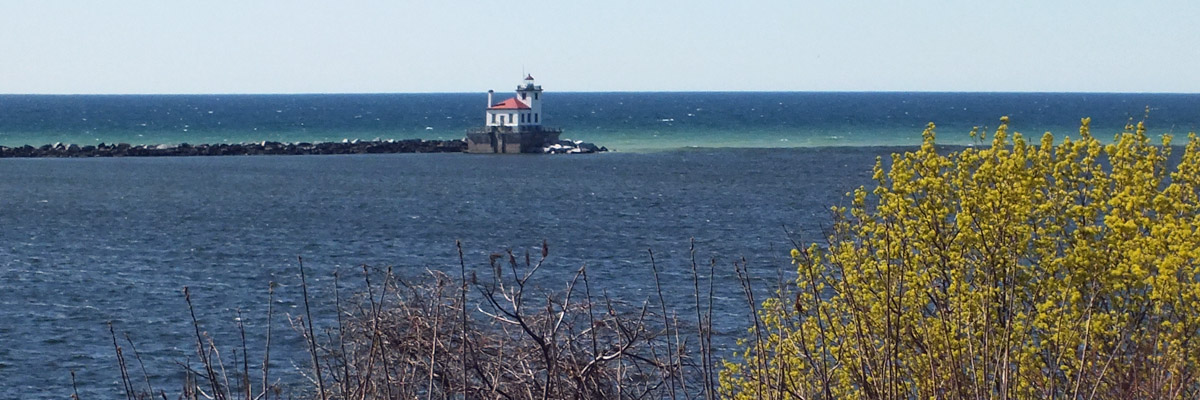
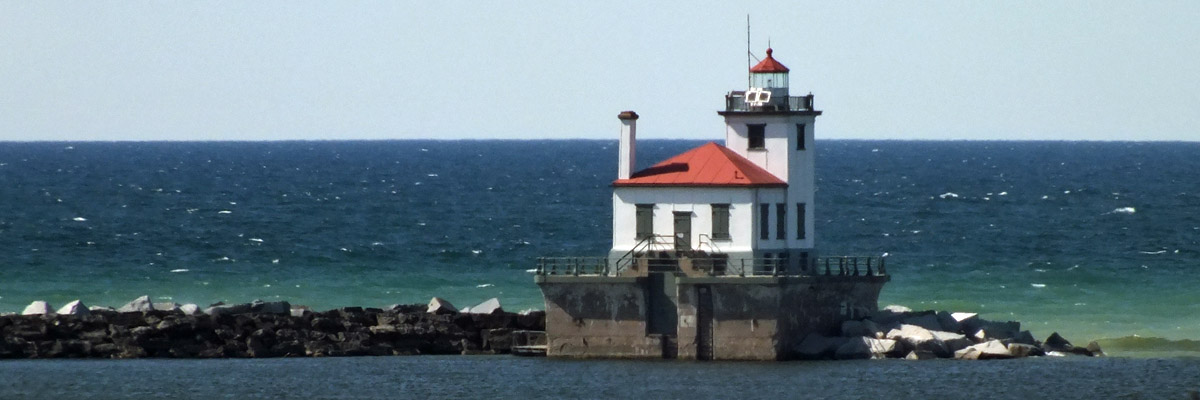
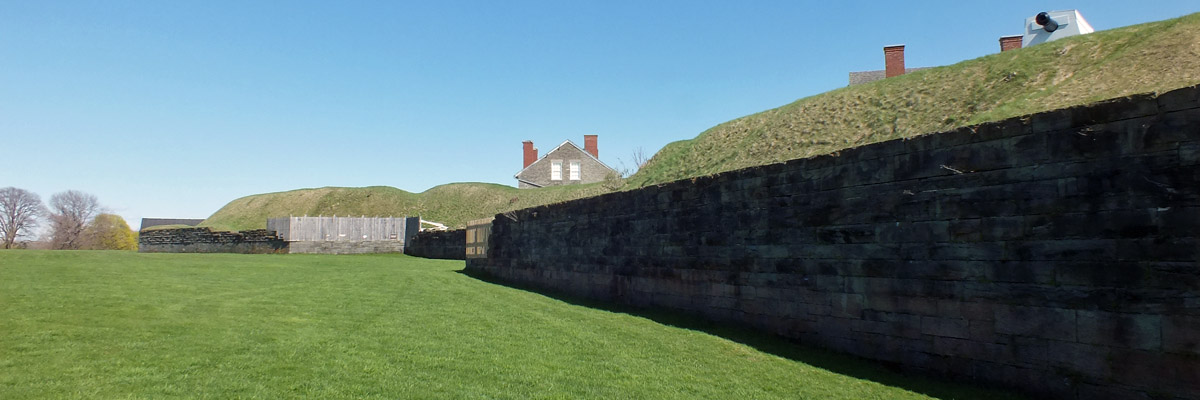
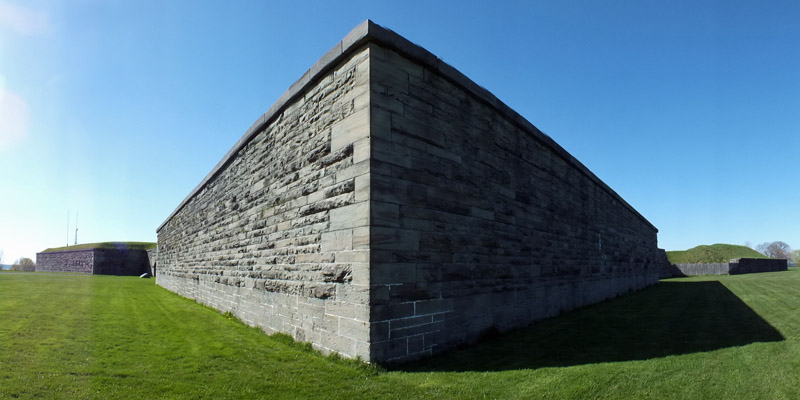
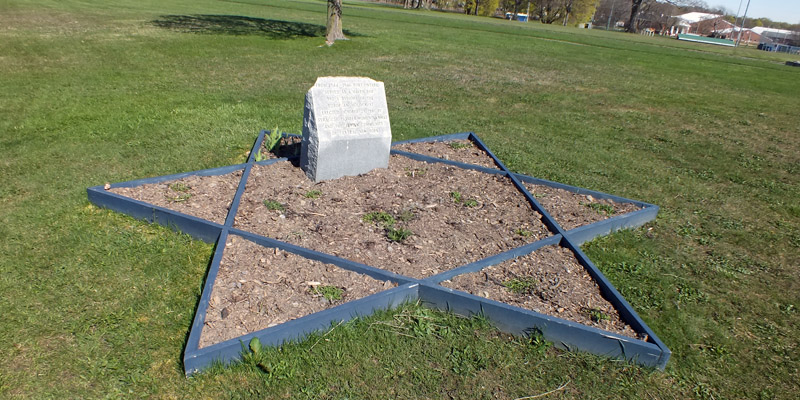
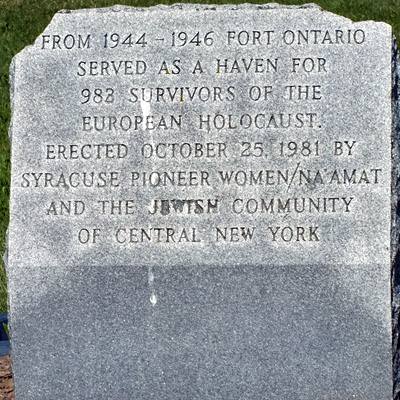
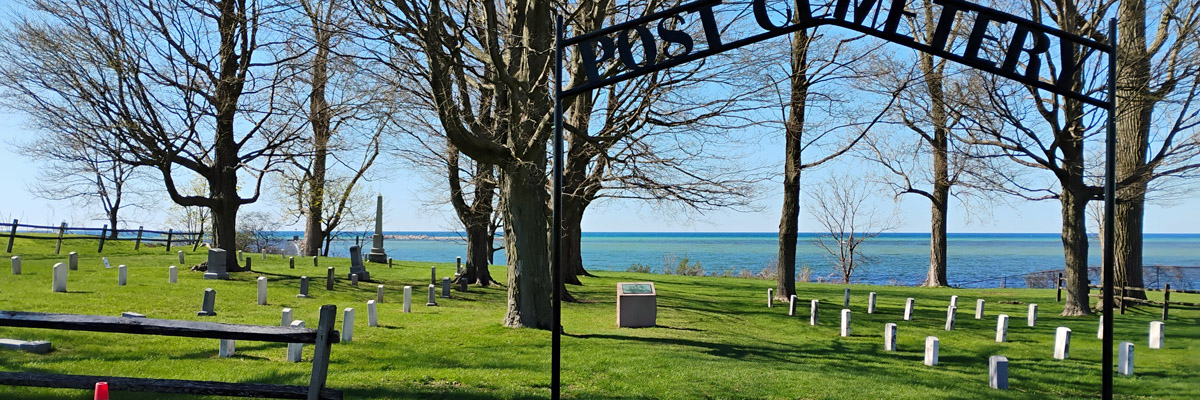
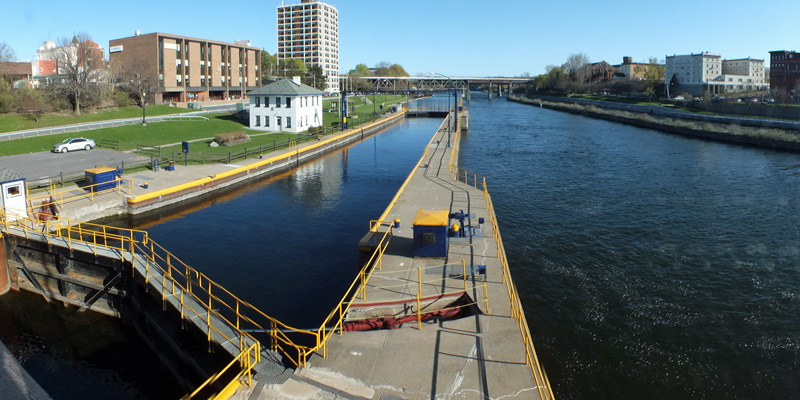
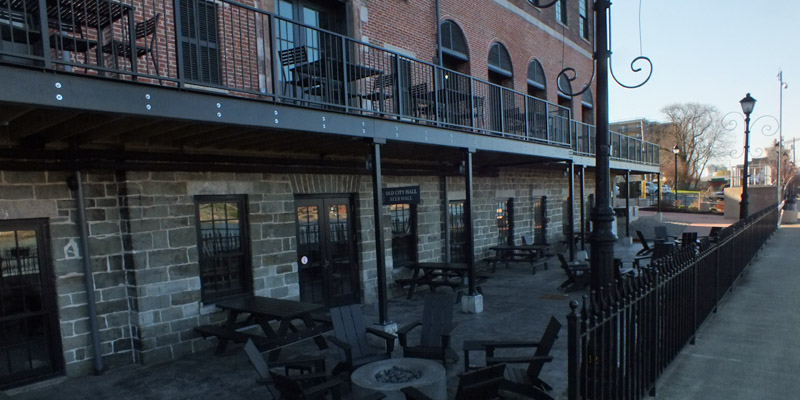
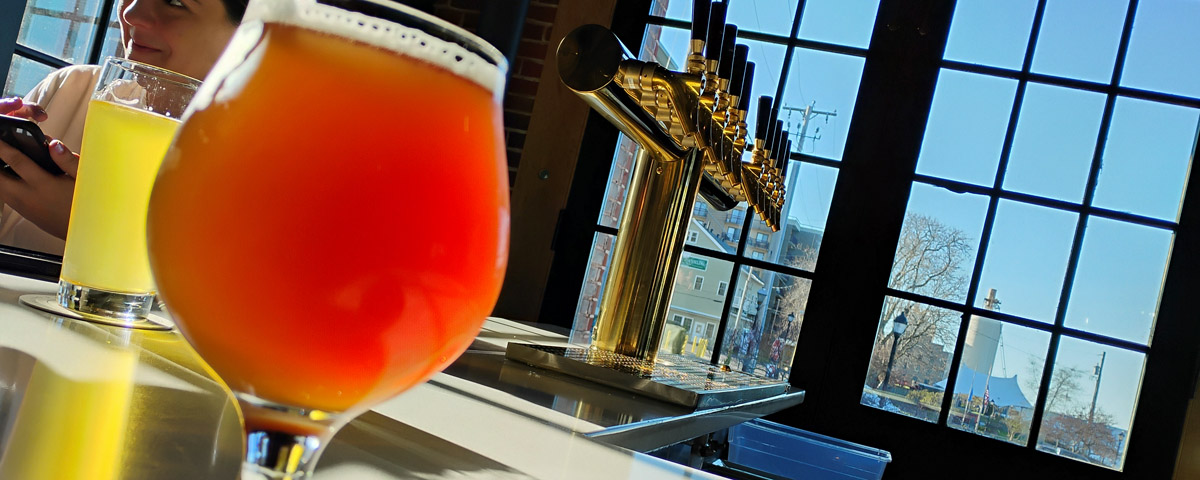
I have for years had a fantasy of a trip encircling the Great Lakes, the western anchor of the North Atlantic Arc. The grand circumnavigation I dreamed of has been whittled down to a four-week trip in which I will see all five lakes. Rolling down modern roads in my diesel Jetta, I am hardly following in the footsteps of Brûlé. My account will be concerned mostly with the history, works, and culture of European colonists and their descendants, once again leaving the First Nations voiceless. I feel compelled to acknowledge, at least, that I live in and travel through a land that was taken from a people I know embarrassingly little about, and don't come close to understanding, because the history I've read was indeed written by the conquerors of North America. Sunday 27 April 2025--I depart Springfield late in the morning and drive four hours non-stop to Oswego, New York, hoping to get to Fort Ontario before closing, which Google says is at 4:00. Turns out it isn't open for the season yet. I'm shocked and dismayed to discover that not everything you see on the internet is true. It's not really a big deal--I'm only staying in Oswego because I didn't want to drive all the way to Niagara-on-the-Lake on the first day of my trip. It's a clear sunny afternoon, and I enjoy a stroll around the grounds, with a view over Lake Ontario. A fort was built here in 1755 (during the French and Indian War), destroyed by the French in 1756, rebuilt by the British in 1759, destroyed in 1778 (during the American Revolution) by American forces, rebuilt by the British in 1782, destroyed in 1814 (during the War of 1812) by the British, and rebuilt by the Americans in the runup to the Civil War. It was neglected after that, but saw various uses during World Wars I and II, and between. Late in the latter war, it was used to house 982 refugees of the Holocaust, shamefully the only such effort in the US. Even at that late stage, immigration of European Jews was not looked on favorably, and these were accepted with the condition that they would return to Europe after the war. Harry Truman later issued an executive order allowing them to stay. I bump into a local history buff, who chews my ear for ten or fifteen minutes, telling me more than I would have learned, probably, had I been able to visit the fort. One thing he tells me that I must have missed in history class is that Fort Ontario was one of eight forts around the Great Lakes, in American territory, that the British continued to hold for more than a decade after the end of the American Revolution in 1783, until the 1794 Jay Treaty settled lingering issues between the two countries. Dinner and pints this evening are at the Old City Hall Brewery, across the Oswego River from my hotel. Crossing the bridge, I have a view of lock number eight on the Oswego Canal, a spur completed in 1828, connecting the Erie Canal to Lake Ontario. The New York canals were enlarged and modernized in the early 20th century, the lock chambers now being a hundred meters long. Like the Rideau Canal recently visited, the New York network now carries mostly pleasure boats, but there is still some commercial traffic to this day. Next |
![]() |
![]() |
![]() |
![]() |
![]() |
![]() |
![]() |
![]() |
![]() |
![]() |
![]() |
![]() |
![]() |
| April | /May.......................................... |
| S | M | T | W | T | F | S |
| 27 | 28 | 29 | 30 | 1 | 2 | 3 |
| 4 | 5 | 6 | 7 | 8 | 9 | 10 |
| 11 | 12 | 13 | 14 | 15 | 16 | 17 |
| 18 | 19 | 20 | 21 | 22 | 23 | 24 |
| 25 |